
Best
Robotic Total Knee Replacement
in Bangalore
Precision-driven knee replacement designed to reduce pain, improve alignment, and restore mobility with faster recovery and long-term results.
10,000+ surgeries
Book Consultation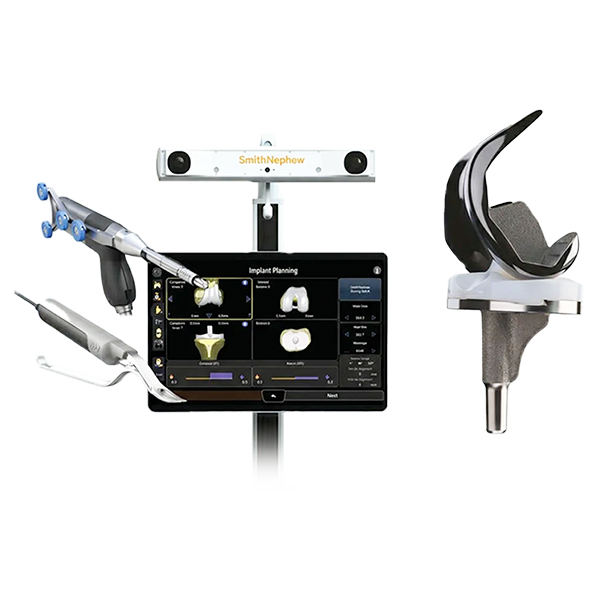
What is Robotic Total Knee Replacement?
Robotic Total Knee Replacement (TKR) is an advanced surgical procedure that uses robotic assistance to improve accuracy, precision, and outcomes. Unlike conventional methods, robotic systems create a personalised surgical plan based on your joint anatomy, ensuring optimal implant positioning and alignment for better long-term results.
The robotic system assists the surgeon in performing highly controlled bone preparation and implant placement, reducing human error and improving consistency. This results in less tissue damage, improved joint function, and faster recovery.
Robotic vs Conventional Knee Replacement
Understanding the difference helps patients make informed decisions about precision, recovery, and long-term outcomes.
| Aspect | Robotic Knee Replacement | Conventional Knee Replacement |
|---|---|---|
| Planning | Personalised 3D surgical planning based on patient anatomy | Standard planning based on X-rays and manual assessment |
| Accuracy | High precision implant positioning using robotic assistance | Manual alignment based on surgeon experience |
| Tissue Impact | Minimally invasive with reduced soft tissue damage | More tissue disruption during surgery |
| Safety | Enhanced safety with real-time monitoring and controlled precision | Depends on manual technique with less real-time feedback |
| Recovery | Faster recovery with early mobility and less pain | Relatively longer recovery period |
| Outcomes | Better joint alignment and long-term implant performance | Higher chances of alignment variation |
Best Robotic Knee Replacement Surgery In Bangalore
Advantages of Robotic Knee Replacement
Robotic-assisted knee replacement offers improved precision, faster recovery, and better long-term outcomes compared to conventional techniques.

High Precision Surgery
Robotic systems ensure accurate implant placement and alignment, reducing surgical errors.
- 3D mapping technology
- Consistent surgical accuracy

Better Joint Alignment
Accurate alignment improves joint function and increases implant lifespan.
- Improved balance
- Natural joint movement

Less Tissue Damage
Minimally invasive approach protects surrounding tissues and reduces trauma.
- Smaller incisions
- Reduced blood loss

Faster Recovery
Patients experience quicker recovery and earlier return to daily activities.
- Shorter hospital stay
- Early mobility

Reduced Pain
Precise surgery reduces post-operative pain and discomfort significantly.
- Less inflammation
- Improved comfort

Long-Term Durability
Better implant positioning leads to longer-lasting results and improved joint life.
- Reduced wear
- Enhanced stability
CORI® Robotic Technology
CORI Robotic Knee Replacement in Bangalore – Precision. Faster Recovery. Better Outcomes.
Total Knee Replacement
Ideal for advanced arthritis, this procedure replaces the entire knee joint using robotic precision for accurate implant alignment, improved function, and long-term durability.
Partial Knee Replacement
Targets only the damaged portion of the knee, preserving healthy bone and ligaments. With CORI®, this minimally invasive approach results in faster recovery and more natural knee movement.
Robotic-Assisted Hip Replacement
Uses advanced robotic guidance to ensure precise implant positioning, enhancing joint stability, reducing wear, and improving overall mobility after surgery.
- Accurate implant positioning
- Personalized alignment
- No pre-operative CT scan required
- Better balance of the knee joint
- Less soft tissue disruption
- Faster recovery potential
- Improved confidence in movement
Long
Lasting Implant
No CT
Scan Required
2x
Faster Recovery
Minimal
Tissue Loss
A comparison between traditional pin-based systems and modern pinless technology.
- Pin-site pain
- Small scars
- Rare fracture risk
- Rare infection risk
- Extra surgical steps
- No tracker pin holes in bone
- Lower risk of fracture or infection
- Less invasive setup
- Faster workflow
- Better patient acceptance
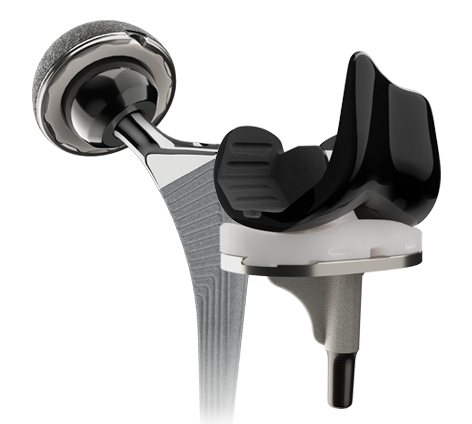
Why OXINIUM™ Implants Work Better
OXINIUM™ implants are advanced zirconium-based metal alloy implants designed for hip and knee replacement. They offer superior strength, smooth movement, and long-term performance.
Long-Term Durability
Designed for long-term performance, with many implants lasting up to 30 years in suitable patients.
Advanced Oxidized Zirconium Surface
Features a unique oxidized zirconium layer that enhances strength and surface performance.
Smoother Than Traditional Surfaces
Smoother than conventional cobalt chrome, helping reduce friction and improve joint movement.
High Wear Resistance
Highly resistant to wear, reducing implant degradation over time.
Nickel-Sensitive Friendly (Case Dependent)
May benefit patients with nickel sensitivity, depending on individual clinical conditions.
Excellent Articulation
Provides smooth and natural joint articulation for improved comfort and mobility.
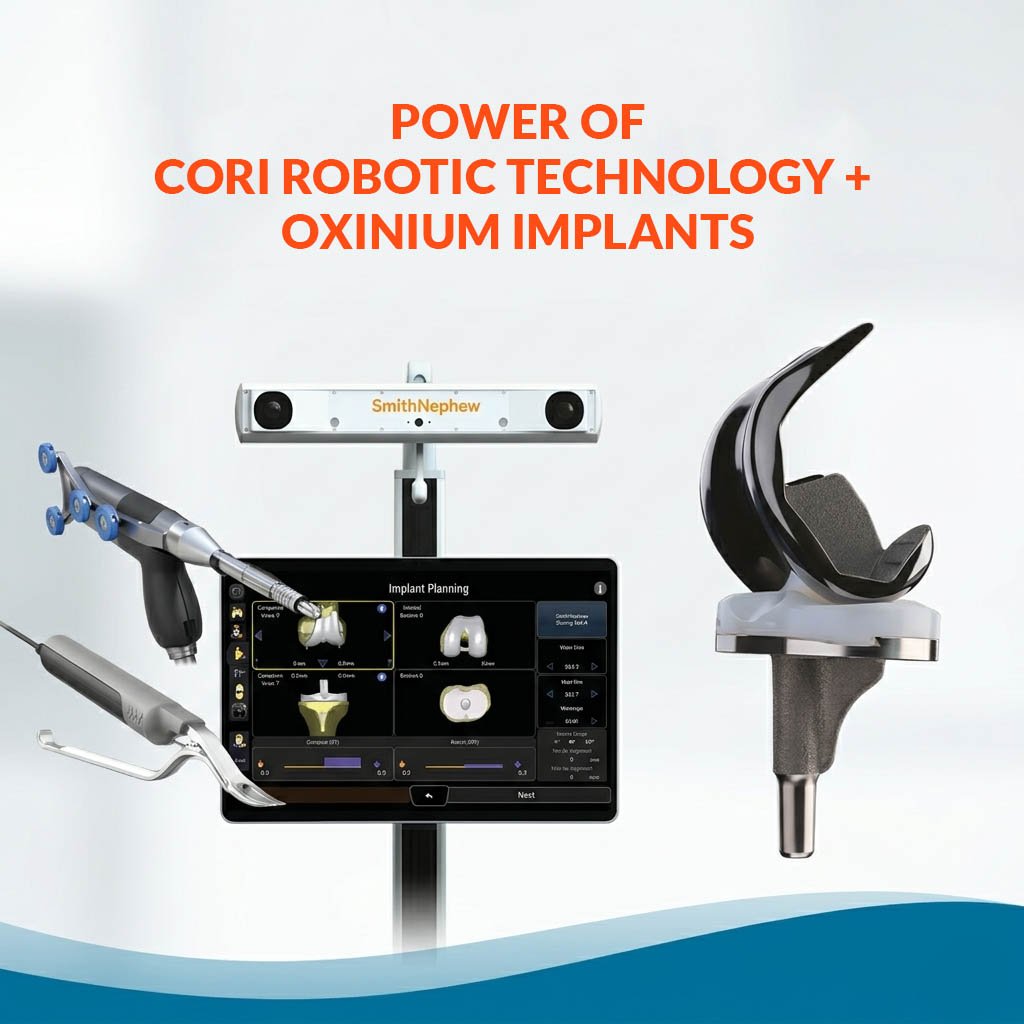
Why CORI™ + OXINIUM™ is Powerful
Combining robotic precision with advanced implant technology to deliver superior accuracy, improved mobility, and long-lasting outcomes.
Accurate Implant Placement
Robotic-assisted precision ensures exact positioning for better joint performance.
Better Knee Balancing
Real-time data helps surgeons achieve optimal soft tissue balance.
Premium Implant Material
OXINIUM™ offers superior wear resistance compared to traditional materials.
Personalized Alignment
Each knee is tailored to the patient’s unique anatomy and movement.
Longer Implant Life
Reduced wear leads to extended implant longevity and durability.
Faster Recovery
Minimally invasive precision supports quicker healing and mobility.
Ready to move pain-free again?
Book your robotic knee replacement consultation at Sun Hospitals and take the first step towards better mobility, reduced pain, and long-term joint health.
Advanced Robotic Joint Replacement & Orthopaedic Care