Trusted By
120,000+ People

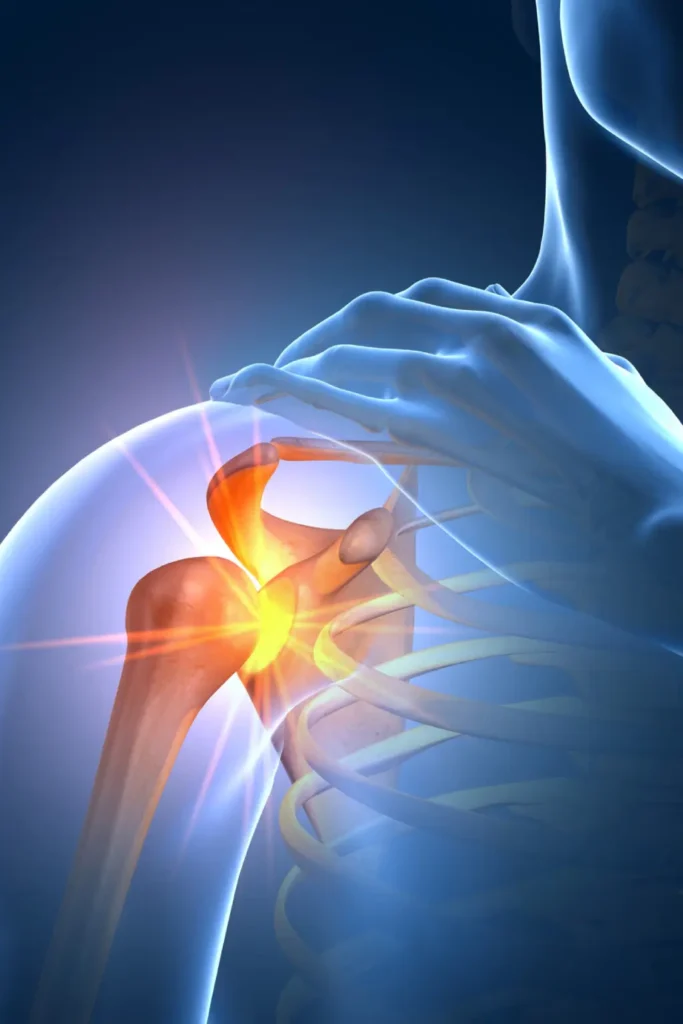
Our Shoulder Instability treatment focuses on relieving pain, preventing recurrent dislocations, and restoring shoulder strength and stability through accurate diagnosis and appropriate non-surgical or surgical care.
Experiencing repeated shoulder dislocations, looseness, pain, or a feeling that the joint may slip out of place?
Sun Hospitals offers comprehensive Shoulder Instability treatment using advanced diagnostic evaluation and evidence-based orthopaedic care to restore joint stability and function. Guided by experienced orthopaedic specialists, our personalised treatment plans focus on safe recovery using the most suitable non-surgical or surgical approach.
Get expert Shoulder Instability treatment at Sun Hospitals with experienced orthopaedic surgeons, advanced imaging support, and structured rehabilitation care. Accurate diagnosis, ethical treatment planning, and focused recovery management. Book a consultation today.
At Sun Hospitals, we use advanced orthopaedic diagnostics and treatment techniques to manage Shoulder Instability safely and effectively:
• Digital X-Ray & MRI Imaging – Detailed evaluation of joint alignment and soft tissue injury
• Ultrasound-Guided Assessment – Dynamic evaluation of shoulder movement
• Arthroscopic Stabilisation Surgery – Minimally invasive repair for recurrent instability
• Non-Surgical Management – Physiotherapy-based strengthening and stability programs
• Structured Rehabilitation Protocols – Guided recovery to restore control and confidence
Before Your Consultation / Treatment:
• Avoid activities that may provoke shoulder dislocation
• Inform the doctor about previous dislocations or injuries
• Carry all relevant X-rays, MRI scans, and medical reports
• Follow medication instructions as advised
After Your Treatment:
• Follow prescribed physiotherapy and shoulder strengthening exercises
• Avoid sudden or overhead shoulder movements initially
• Take medications strictly as prescribed
• Attend scheduled follow-up visits to monitor stability and recovery
Note: Mild pain or stiffness may persist for 1–2 weeks. Functional stability improves gradually over the next few weeks to months with proper rehabilitation.
Providing advanced orthopaedic care with top technology and experienced specialists.
Includes 8,000+ knee surgeries and 5,000+ shoulder surgeries performed with precision.
Advanced robotic-assisted joint replacement for faster recovery and long-term results.
Mathikere & Vidyaranyapura units offering complete orthopaedic and sports rehab care.
Thousands of satisfied patients with consistently high recovery and success rates.